Michaelmas
Saint Michael the Archangel
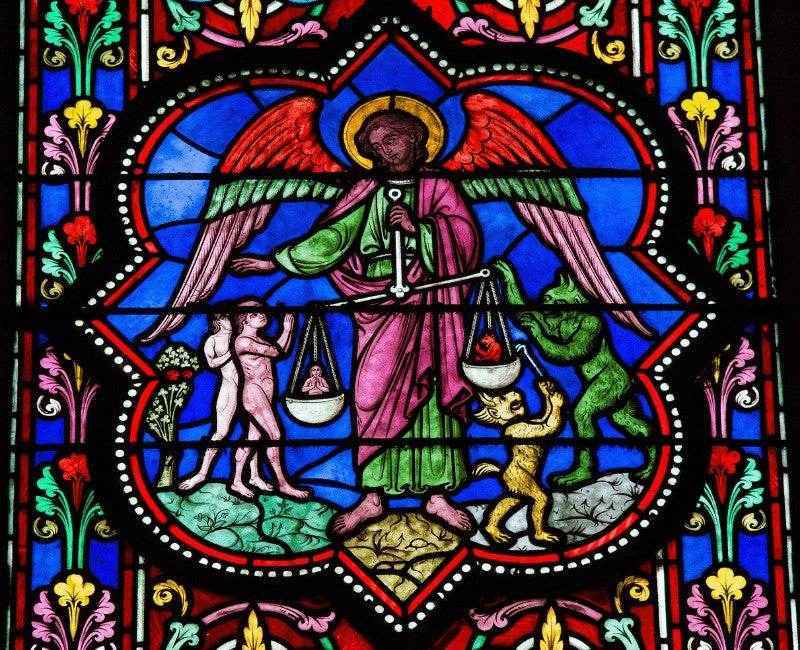
On September 29, the Western Christian church celebrates Michaelmas, which is also called the Feast of Saint Michael. On this day, the church recognizes that St. Michael the Archangel fought and prevailed against Satan and the evil angels that followed him in the rebellion against God.
Since the days are getting noticeably shorter and colder making the nights longer, the Michaelmas feast calls for protection during the upcoming dark months of winter. Tradition holds that the evil forces are stronger in the darkness so the days of longer darkness require stronger defenses.
Over time, the day was broadened to include all angels and is now more commonly celebrated as the Feast of Michael, Gabriel, and Raphael. The Anglican Church officially calls the celebration the Feast of Saint Michael and All Angels.
In Scripture, the archangel Michael is mentioned five times and always is in the context of being a warrior. As an archangel, that would make him a leader of the angels.
In Daniel, Michael is the angel fighting for the Jews against the nation of Peria. In Jude, Michael is recorded as fighting the devil for the body of Moses. In Revelation, Michael fights against Satan, the dragon, and hurls down Satan to the earth.
Every time the archangel Michael appears in the Bible, he is fighting for the cause of God against the enemy who seeks to disrupt God’s plans and intentions.

The British custom of celebrating Michaelmas includes the eating of a fattened goose. The goose would have been fed on the remnants or stubble of the harvest and became known as the “stubble goose.”
This traditional meal could also include the St. Michael’s Bannock or Struan Micheil which is a scone-like cake that is made from different cereals. These customs are thought to bring prosperity and wealth to the family throughout the year.
Throughout Britain, the celebration of the Feast of Saint Michael, or “Goose Day” has been accompanied by festivals and fairs on or around the date of Michaelmas. The Nottingham Goose Fair is still held on or around October 3.
Michaelmas is one of the four “quarter days” that separate the calendar into four different sections. Along with Michaelmas on September 29, the other “quarter days” include Christmas on December 25, Lady Day on March 25, and Midsummer on June 24.
Historically, these four days marked the four times of the year when servants where hired, rents were due, and leases were paid. Farmers traditionally tried to have their harvest in by Michaelmas to be ready to begin the next part of the farming cycle.
The history of recognizing Saint Michael began in the Eastern Orthodox Church in the fourth century. By the fifth century, the custom had spread to the Western Church.
Though originally acknowledged as a Holy Day of Obligation, that requirement was gradually dismissed. Currently, most of the Eastern Church no longer observes Michaelmas.
With the Feast of Saint Michael celebrating the victory over Satan and seeking for that victory to continue through the upcoming winter months. September 29 is an important day in the Western church.





Share:
He Gives Peace
The Power of Praying - how should we pray?